When Fame Meets the Courtroom: Russell Brand Convicted in Four-Offence Sexual Abuse Trial
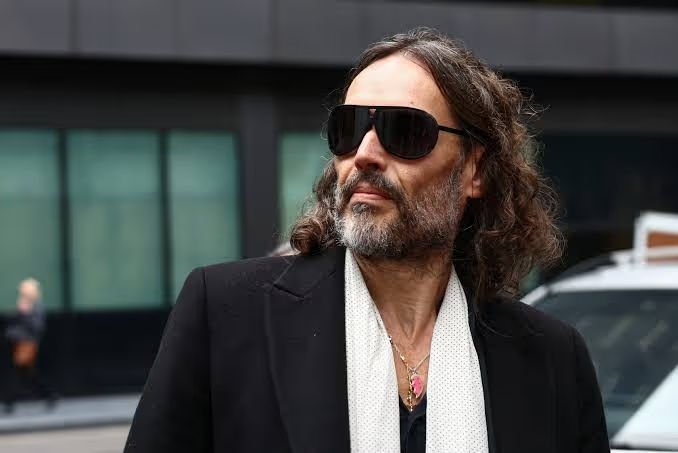
British comedian and actor Russell Brand has been found guilty of rape and three counts of sexual assault following a closely watched trial at London's Southwark Crown Court. The verdicts involve four women and offences committed between 2004 and 2009. Brand, who denied the charges, was remanded in custody after the jury delivered its decisions, with sentencing scheduled for the following week.
The verdict marks a major development in a case that has drawn international attention to allegations of sexual misconduct involving one of Britain's best-known entertainment personalities. The four-week trial examined testimony from six women and considered allegations relating to incidents spanning approximately a decade.
After deliberating for around eight and a half hours, the jury found Brand guilty of one count of rape and three counts of sexual assault. He was acquitted of two additional rape charges and one charge of attempted indecent assault.
Key Details of the Verdict
- Defendant: Russell Brand, British comedian and actor
- Court: Southwark Crown Court, London
- Trial length: Four weeks
- Guilty verdicts: One count of rape and three counts of sexual assault
- Women involved in the convictions: Four
- Other verdicts: Acquitted of two rape charges and one attempted indecent assault charge
- Period covered by the convictions: 2004–2009
- Next legal step: Sentencing scheduled for November 9
What the Jury Decided
Brand faced seven criminal charges involving six women. Prosecutors presented evidence relating to alleged incidents at different locations, including a private residence, a London bar, a radio station and a television production environment.
The jury concluded that the prosecution had proved four offences beyond reasonable doubt. These consisted of one rape conviction and three convictions for sexual assault, involving four separate women.
However, the jury did not find Brand guilty on every charge. He was acquitted of two counts of rape and one count of attempted indecent assault. The distinction between the convictions and acquittals is important when describing the outcome of the case.
The verdicts followed evidence from the women involved, alongside testimony and arguments presented by the prosecution and defence. The trial examined the circumstances of each allegation individually rather than treating all accusations as a single finding.
The Allegations Behind the Convictions
The convictions relate to incidents involving four women during a period when Brand's public profile was growing through comedy, television, radio and film.
One conviction concerned the rape of a woman whom Brand had met after a performance in London in 2009. The court heard that she later visited his home, where she said sexual activity continued without her consent.
The three sexual assault convictions concerned separate incidents involving women connected to the entertainment industry. The allegations included unwanted physical contact at a London venue, an incident involving a woman working at a radio station, and conduct towards a woman involved in a television production project.
The women involved in the case are legally entitled to lifelong anonymity. Their identities are therefore not included in this report.
Brand Denied the Charges
Throughout the proceedings, Brand pleaded not guilty to all seven charges. His defence maintained that the sexual encounters described in court had been consensual and disputed the prosecution's interpretation of the events.
Brand also argued that some allegations had been influenced by media reporting published in 2023, including a television documentary and newspaper investigations that brought earlier accusations into public view.
During the trial, the defence challenged the credibility and interpretation of the evidence. The jury ultimately accepted the prosecution's case on four counts while returning not-guilty verdicts on the remaining three.
The convictions are the result of the jury's assessment of the evidence presented in court, rather than the earlier media allegations alone.
Judge Warns of a Significant Prison Sentence
Following the verdicts, the judge indicated that Brand should expect a substantial custodial sentence. He was remanded in custody rather than being allowed to remain on bail until sentencing.
Brand's legal team asked the court to allow him to spend the weekend with his family before returning for sentencing. The request was refused. The judge acknowledged the hardship this would cause his children but said there were substantial grounds to fear that Brand might not return to court if released.
Brand was subsequently taken into custody. His sentencing hearing is scheduled for November 9, when the court will determine the punishment for the four convictions.
The maximum sentence available for rape in England and Wales is life imprisonment. The actual sentence will be determined by the judge after considering the offences, the evidence and the applicable sentencing guidelines.
Police Investigation Into Further Allegations
The conclusion of this trial does not mean all investigations involving Brand have ended. Separate allegations involving two additional women remain under investigation by London's Metropolitan Police.
Police have submitted material relating to those allegations to the Crown Prosecution Service, while further investigative work continues. These matters are separate from the charges decided by the jury in the current trial.
No finding of guilt has been made in relation to those additional allegations. Any further legal action would require its own investigation and, if charges are brought, a separate court process.
Why the Case Has Drawn Wider Attention
Brand's conviction has renewed debate about the relationship between celebrity, influence and accountability in the entertainment industry. During the period covered by the case, he became a prominent figure in British television and radio before moving into international film and later building a large online audience.
The trial also brought renewed attention to the challenges faced by people reporting sexual offences, particularly when the alleged incidents took place many years earlier and involved individuals with considerable public influence.
The Crown Prosecution Service said the case involved a detailed examination of the defendant's behaviour and the evidence provided by the women. Prosecutors also emphasised that consent must be freely given and can be withdrawn at any time.
The case demonstrates that allegations of serious sexual offences can still be investigated and prosecuted years after the events in question. The passage of time does not, by itself, prevent a prosecution where sufficient evidence is available.
The Role of the 2023 Media Reports
The criminal proceedings followed public allegations about Brand that emerged in 2023 through a television investigation and newspaper reporting. Those reports prompted renewed attention to his past conduct and led to police investigations.
The trial itself was not a verdict on every allegation made in the media. Instead, the jury considered the specific criminal charges brought before the court and the evidence presented in relation to each one.
The distinction matters: public reporting can prompt scrutiny and encourage witnesses to come forward, but criminal guilt is determined through the legal process and the evidence accepted by a court.
What Happens Next?
The immediate next step is Brand's sentencing hearing. The judge will determine the appropriate prison term for the rape and sexual assault convictions. Until then, Brand remains in custody.
Meanwhile, the Metropolitan Police investigation into separate allegations continues. Authorities have not announced a final outcome in those matters, and they remain legally distinct from the convictions already secured.
For the four women whose allegations resulted in guilty verdicts, the decision brings the conclusion of a lengthy criminal trial. However, the impact of the offences and the wider questions raised by the case extend beyond the courtroom.
The verdict sends a clear message about the legal importance of consent and the principle that public recognition or professional status does not place anyone above the law. The upcoming sentencing and any further police decisions will determine the next chapter in a case that has become one of Britain's most closely watched celebrity criminal trials.
Keywords:
Related Posts