Canadian Conservatives Urge Carney to Reveal His Trump Negotiation Strategy and Demand a Meeting
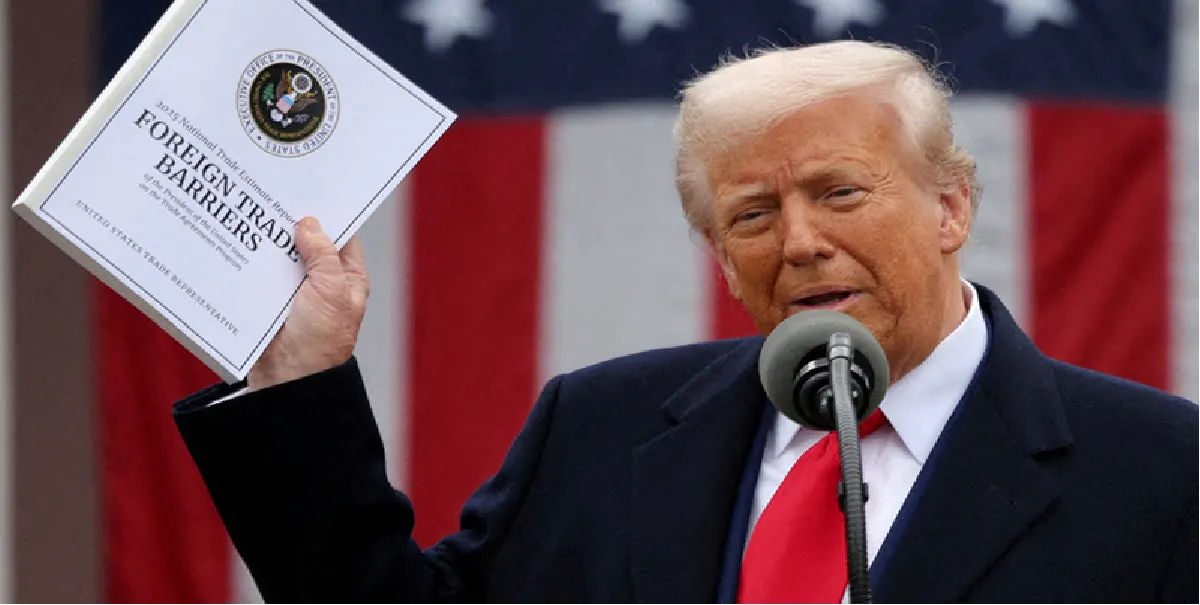
Canadian Conservatives Demand Carney’s Trump Negotiation Plan as New Tariff Threat Raises Pressure
The Conservative Party of Canada is demanding that Prime Minister Mark Carney publicly explain how his government plans to deal with U.S. President Donald Trump after Washington announced a new threat of steep tariffs on Canadian products.
The call comes from Shuv Majumdar, the Conservative shadow minister responsible for Canada-U.S. relations. In a letter addressed to Carney, Majumdar asked the government to take part in an emergency meeting of the Standing Committee on International Trade and present its written negotiation strategy for dealing with the United States.
The Conservatives argue that Canadians deserve to know how Ottawa intends to respond to Trump’s latest move, particularly because the proposed tariffs could affect Canadian businesses, workers, exporters and provincial economies.
According to the information provided, Trump said the United States would impose 50 per cent tariffs on a range of Canadian products within 30 days. American officials linked the proposed tariffs to several long-running trade disputes, including provincial restrictions on U.S. alcohol, Canada’s supply-managed dairy system and limits affecting American vehicle imports.
The announcement has intensified political pressure on the Carney government. The Conservatives say the prime minister campaigned on the promise that he would be able to manage the relationship with Trump, but they now accuse him of giving in to U.S. demands without securing enough protection for Canadian interests.
Conservatives Call for an Emergency Committee Meeting
Majumdar wants the House of Commons Standing Committee on International Trade to meet urgently next week.
The committee examines issues related to international commerce, trade agreements, tariffs and Canada’s economic relationships with foreign countries. An emergency meeting would allow members of Parliament to question ministers and government officials about Ottawa’s strategy.
The Conservatives want the government to provide more than general statements or political assurances. They are specifically asking Ottawa to table its written negotiation plans during the hearings.
This means the opposition wants to see a structured government strategy that explains:
Which Canadian sectors may be affected by the U.S. tariffs
What concessions, if any, Ottawa is considering
Whether Canada plans to retaliate
How the government will support affected workers and industries
What diplomatic channels are being used
What outcome Canada is seeking from negotiations
The demand for written plans is important because it would force the government to provide more concrete information about its position.
The Conservatives appear to believe that the government has not been transparent enough about its discussions with Washington.
Trump Threatens 50 Per Cent Tariffs
The central issue is Trump’s announcement that the U.S. government intends to impose 50 per cent tariffs on an array of Canadian products in 30 days.
A tariff is a tax imposed on imported goods. When the United States places tariffs on Canadian products, those goods become more expensive for American importers and consumers.
This can reduce demand for Canadian products in the U.S. market and make it more difficult for Canadian companies to compete.
A tariff rate of 50 per cent would be especially serious. For example, a Canadian product valued at $100 could face an additional $50 tariff when entering the United States.
The final cost may be passed on to American buyers, absorbed by Canadian producers or shared between businesses on both sides of the border.
Regardless of how the cost is distributed, such a tariff can disrupt trade, reduce sales and create uncertainty.
The 30-day timeline also increases pressure because it gives Ottawa limited time to negotiate, prepare countermeasures and reassure affected industries.
Why the United States Says It Is Taking Action
American officials reportedly said the proposed tariffs are a response to several Canadian policies.
These include:
Provincial bans on U.S. alcohol
Canada’s supply-managed dairy system
Quotas or restrictions involving American cars
These issues reflect broader disagreements about market access.
The United States argues that some Canadian policies unfairly restrict American products, while Canada often maintains that its regulations are legitimate tools for protecting domestic industries, provincial authority and national economic interests.
Provincial Restrictions on U.S. Alcohol
One of the complaints relates to provincial bans or restrictions on American alcoholic products.
Canadian provinces have significant authority over the sale and distribution of alcohol. Provincial liquor boards often control which products can be sold and how they are marketed.
If provinces restrict U.S. alcohol, American producers may lose access to Canadian consumers.
Washington may view these measures as discriminatory or politically motivated, particularly during periods of trade tension.
However, provincial governments may argue that such decisions are within their legal authority and may be used as a response to U.S. trade measures.
The issue is complicated because the federal government manages international trade, while provinces control many aspects of alcohol distribution.
This means Ottawa may need to coordinate with provincial governments before making commitments during negotiations.
Canada’s Supply-Managed Dairy System
Another major dispute concerns Canada’s supply-managed dairy system.
Supply management is designed to control the production and pricing of certain agricultural products, including dairy, poultry and eggs.
Under the system, production is regulated to match domestic demand, and tariffs or quotas may limit foreign competition.
Supporters say supply management provides stability for Canadian farmers and protects rural communities from major price fluctuations.
Critics, including some U.S. officials and agricultural groups, argue that the system restricts market access for foreign dairy products.
Trump has frequently criticised countries that limit U.S. agricultural exports, and dairy access has been a recurring issue in Canada-U.S. trade negotiations.
For Canada, changing the system would be politically sensitive because many dairy farmers rely on it.
The Carney government may therefore face pressure from Washington to provide more access while also facing domestic pressure not to weaken protections for Canadian producers.
Dispute Over American Cars
The United States also reportedly objected to Canadian quotas or limits affecting American vehicles.
The automotive industries of Canada and the United States are deeply integrated. Parts and vehicles often cross the border several times during production.
Any new restriction can therefore affect manufacturers, suppliers, dealerships and consumers on both sides.
If the U.S. imposes tariffs on Canadian automotive products, the consequences could be significant for provinces with large manufacturing sectors.
Ontario, in particular, has a major role in vehicle and auto-parts production.
Trade barriers could lead to higher costs, delayed production, reduced investment and possible job losses.
Because North American automotive supply chains are so closely connected, American companies could also experience higher costs.
Majumdar Says Carney Must Explain His Strategy
Majumdar’s central argument is that Carney must clearly explain how the government intends to address Trump’s latest threat.
The Conservatives want to know whether the government has a detailed plan or is simply reacting to each new announcement from Washington.
They are also questioning whether Carney has achieved the influence over Trump that he claimed he could provide.
During the election campaign, Carney reportedly presented himself as someone capable of handling complex economic challenges and managing relations with the American president.
The Conservatives are now using those promises to hold him accountable.
Their message is that if Carney asked voters to trust his ability to deal with Trump, he must now show evidence of an effective strategy.
Conservatives Accuse Carney of Giving In
Majumdar claims that the prime minister has already caved in to several of Trump’s demands.
This is a political accusation intended to portray the government as weak in its dealings with Washington.
The Conservatives appear to be arguing that Ottawa has made concessions without receiving enough in return.
However, negotiations between Canada and the United States are often confidential, and governments may avoid disclosing full details while talks are ongoing.
The Carney government may argue that flexibility is necessary to prevent a wider trade conflict.
The opposition, however, is demanding greater transparency because any agreement could affect workers, businesses and provincial governments.
The dispute therefore involves two competing concerns:
The need for confidentiality during negotiations
The public’s right to understand decisions that may affect the economy
Why the Tariff Threat Matters for Canada
The United States is Canada’s most important trading partner.
A large share of Canadian exports goes to the American market. This means major U.S. tariffs can affect the Canadian economy quickly.
Sectors that rely heavily on U.S. buyers may face reduced orders, lower revenues and increased uncertainty.
Businesses may delay hiring or investment if they do not know whether trade conditions will remain stable.
Workers may also worry about job security, particularly in export-dependent industries.
The threat could affect:
Agriculture
Food processing
Alcohol production
Automotive manufacturing
Forestry
Metals
Consumer goods
Transportation and logistics
Even industries not directly targeted may be affected through supply chains.
For example, if a manufacturer sells fewer products, it may purchase fewer services from transport companies, equipment suppliers and local businesses.
Possible Canadian Responses
The Carney government has several possible options, although each carries risks.
Negotiation
Ottawa may try to reach an agreement before the tariffs take effect.
This could involve offering limited concessions or finding alternative arrangements.
Negotiation may prevent economic damage, but the government would need to ensure that any concessions do not undermine important Canadian industries.
Retaliatory Tariffs
Canada could impose tariffs on U.S. products.
Retaliation may show that Canada will defend its interests, but it can also increase prices for Canadian consumers and businesses.
A tariff conflict can escalate quickly if both sides continue to add new measures.
Targeted Support for Industries
The federal government could provide financial assistance, loans, tax relief or employment support to affected sectors.
Such support may protect jobs in the short term, but it can be expensive and may not fully replace lost access to the U.S. market.
Trade Diversification
Canada could increase efforts to export more goods to Europe, Asia and other regions.
Diversification would reduce dependence on the United States over time.
However, changing supply chains and building new markets can take years.
Legal Challenges
Canada may challenge U.S. tariffs through trade agreements or international institutions.
Legal action can be useful, but it is often slow and may not prevent immediate economic harm.
The Challenge of Negotiating with Trump
Negotiating with Trump can be difficult because he often uses tariff threats as a bargaining tool.
His approach generally involves setting high demands, creating urgency and pressuring other countries to make concessions.
Canada must therefore balance firmness with pragmatism.
If Ottawa refuses all U.S. demands, it risks a damaging trade conflict.
If it makes too many concessions, it may be accused of failing to defend Canadian interests.
The Carney government will need to decide which issues are negotiable and which are politically or economically essential.
It must also maintain communication with provinces, industry groups, labour unions and affected communities.
Political Pressure on Mark Carney
The controversy places Carney under significant political pressure.
He must show that his government can protect Canada’s economy while maintaining a working relationship with the United States.
The Conservatives are seeking to frame the issue as a test of his leadership.
Their demand for an emergency meeting allows them to challenge the government publicly and force ministers to answer detailed questions.
If the government refuses to provide documents, the Conservatives may accuse it of secrecy.
If it provides detailed plans, it risks revealing sensitive negotiation positions.
Carney must therefore manage both the external dispute with Trump and the domestic political battle in Parliament.
What an Emergency Meeting Could Achieve
An emergency meeting of the trade committee could provide greater clarity about the government’s strategy.
Members may call ministers, diplomats, trade officials, business representatives and industry experts to testify.
They could ask questions about:
The products likely to face tariffs
The estimated economic impact
Canada’s negotiation objectives
Possible retaliatory measures
Support for affected workers
Coordination with provincial governments
Communication with U.S. officials
The meeting could also produce recommendations for the government.
However, some sensitive information may be withheld if officials believe disclosure could weaken Canada’s negotiating position.
Important Points
Canadian Conservatives are demanding an emergency meeting on trade relations with the United States.
Shuv Majumdar wants the Carney government to table its written negotiation plan.
Donald Trump has threatened 50 per cent tariffs on a range of Canadian products within 30 days.
U.S. officials linked the threat to restrictions on American alcohol, dairy access and vehicle imports.
The Conservatives say Carney must explain how he plans to protect Canadian interests.
Majumdar accuses Carney of giving in to several U.S. demands.
The tariff threat could affect Canadian exporters, workers and provincial economies.
Ottawa may consider negotiations, retaliation, industry support or legal action.
Carney faces pressure to balance transparency with the confidentiality of trade negotiations.
The dispute could become a major political and economic test for his government.
Conclusion
The Conservative demand for an emergency trade committee meeting reflects growing concern about the direction of Canada-U.S. relations.
Trump’s threat to impose 50 per cent tariffs has created urgency for the Carney government.
Canadian businesses and workers need to know whether Ottawa can prevent the tariffs, reduce their impact or provide support if they take effect.
The Conservatives are using the dispute to challenge Carney’s leadership and question whether he has delivered on his promise to manage relations with Trump effectively.
Carney now faces a difficult task. He must negotiate with an unpredictable U.S. administration, defend sensitive Canadian policies and maintain public confidence at home.
The government’s response over the next 30 days could determine whether the dispute is resolved through negotiation or develops into a broader trade conflict.
For Canadians, the most important issue is not simply which political party wins the argument. The larger concern is whether the country has a clear, effective and credible strategy to protect its economy, workers and long-term trading interests.
Tags:
Related Posts