The Olympic women’s figure skating competition is heading toward a thrilling finale, with Alysa Liu leading the U.S. team in third place.
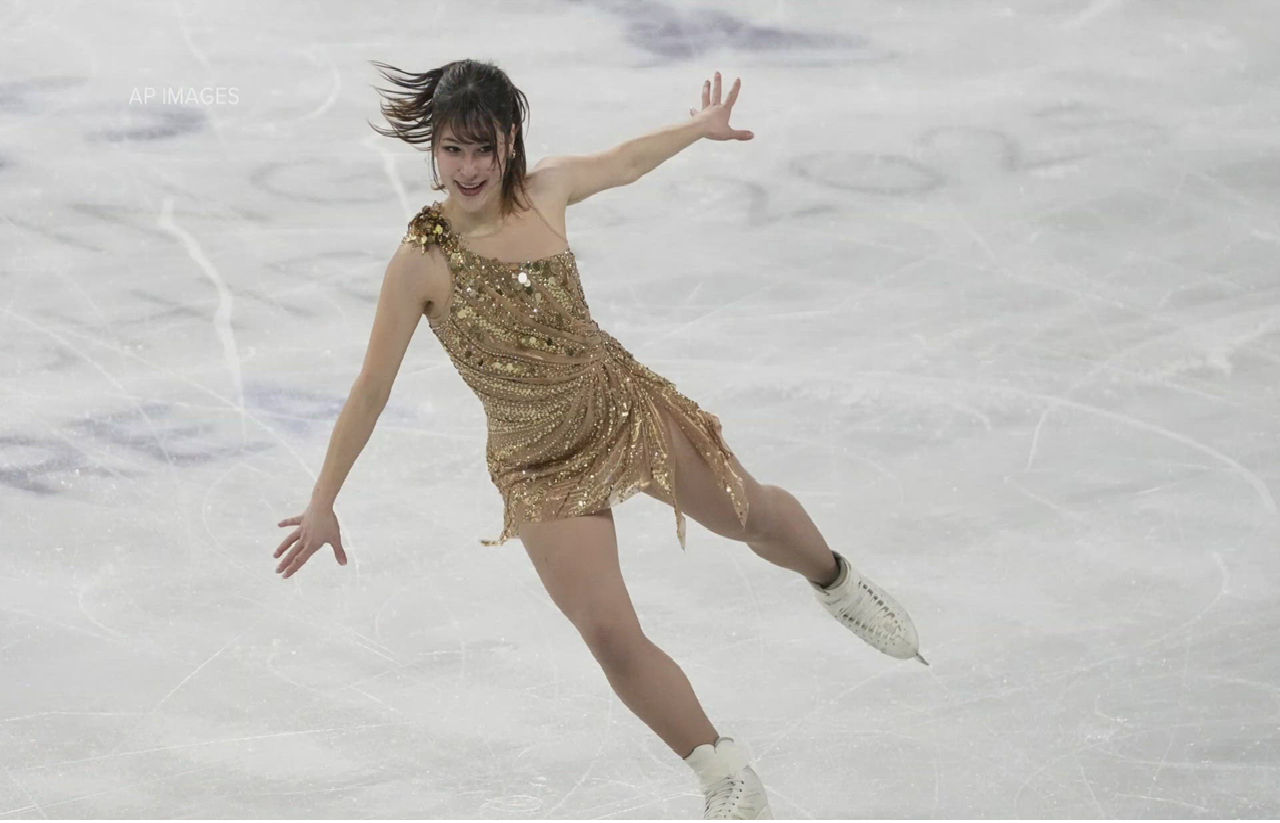
The women’s singles figure skating competition at the 2026 Winter Olympics is building toward an intense and dramatic conclusion, with top skaters from Japan and the United States battling for podium positions after a highly competitive short program. With the free skate still to come, the final standings remain uncertain, and several athletes still have strong chances to reshape the leaderboard.
Here’s a detailed explanation of the event, the current standings, key performances, medal contenders, and how the women’s free skate works.
Women’s Figure Skating Event Nears Its Grand Finale
After nearly two weeks of figure skating action at the Milan Cortina Games, the women’s singles competition has reached its final stage. The short program, completed earlier in the week, established the initial rankings, but the free skate — the longer and more technically demanding segment — will ultimately determine the medal winners.
Figure skating is known for dramatic turnarounds, and even small mistakes can drastically impact scores. With only narrow margins separating the top contenders, the competition remains wide open heading into the final performances.
Currently, Japanese skaters lead the standings after the short program, while American star Alysa Liu heads the U.S. contingent in third place. However, several other competitors still have the technical ability to move up the rankings.
Japanese Sensation Ami Nakai Takes Early Lead
One of the biggest stories of the competition so far is the impressive performance of 17-year-old Japanese skater Ami Nakai. The young breakout talent delivered an energetic and technically strong short program, earning the top score heading into the free skate.
Her routine featured:
- A difficult triple Axel, one of the most challenging jumps in women’s figure skating
- A precise triple Lutz–triple toe loop combination
- High artistic expression and confident skating
Nakai’s performance stood out for its blend of youthful energy and advanced technical execution. Despite her age, she showed remarkable composure on the Olympic stage, demonstrating both strong jumping ability and expressive choreography.
Leading the competition at such a young age highlights Japan’s continued strength in women’s figure skating and positions Nakai as a major future star in the sport.
Veteran Champion Kaori Sakamoto Close Behind
Closely trailing Nakai is Japan’s experienced and highly decorated skater Kaori Sakamoto, a three-time world champion and one of the most consistent performers in international figure skating.
Sakamoto performed her short program to “Time to Say Goodbye,” delivering an emotional routine. She has announced that this Olympic season will likely be her last in competitive skating, which added emotional significance to her performance.
Key factors in Sakamoto’s strong position include:
- Exceptional consistency throughout the season
- Clean technical execution
- Strong skating skills and speed
- Experience performing under pressure
She also dominated earlier in the Games, winning both of her segments in the team event. Because of her reliability and experience, many analysts consider her the favorite to win the gold medal if she delivers another clean performance in the free skate.
Alysa Liu Keeps U.S. Medal Hopes Alive
Just fractions of a point behind Sakamoto sits American world champion Alysa Liu, who placed third after the short program. Liu delivered a beautifully executed routine to her popular program “Promise,” earning high scores for both technical precision and artistic presentation.
Liu’s position keeps the United States firmly in medal contention. Her strengths include:
- Strong technical consistency
- High-quality jump execution
- Expressive choreography and musical interpretation
- Proven ability to deliver under pressure
Her past performances suggest she can still climb the standings. She previously produced a winning free skate at the World Championships and also triumphed at the Grand Prix Final earlier in the season. If she repeats such performances, she could challenge for gold or silver.
Interestingly, Liu has maintained a relaxed perspective on the competition. In interviews, she has emphasized her love for skating over results and even joked that she wished her short program had been longer so she could stay on the ice.
The Free Skate Could Completely Change the Standings
In figure skating, the free skate typically carries more weight than the short program because it includes more elements and greater technical difficulty. This means dramatic ranking changes are common.
Several athletes currently outside the top three still possess the technical skills to move up significantly.
Adeliya Petrosian Could Attempt High-Risk Strategy
Currently in fifth place, Adeliya Petrosian represents one of the biggest wild cards in the competition. She delivered a controlled short program but is rumored to be planning an extremely difficult technical layout in the free skate.
Reports suggest she may attempt:
- Two quadruple jumps, the most difficult jumps in figure skating
If successfully executed, these elements could dramatically increase her score and potentially secure a gold medal. However, there are significant risks:
- She has struggled with injuries this season
- She has not landed clean quadruple jumps in international competition recently
- Practice sessions in Milan have shown inconsistency
Her strategy could either lead to a historic victory or cause major errors that push her down the rankings.
Other Podium Challengers
Mone Chiba – Fourth Place
Japan’s Mone Chiba sits just outside the top three and remains a serious medal contender. With a strong free skate, she could capitalize on mistakes from higher-ranked skaters and secure a podium finish.
Anastasiia Gubanova – Sixth Place
Gubanova also has a realistic, though less certain, chance at a medal. She would need an exceptional performance combined with errors from the leaders, but such surprises are common in Olympic figure skating.
American Skaters Seeking Comebacks
Amber Glenn – 13th Place
One of the most difficult moments for U.S. fans came during Amber Glenn’s short program. After successfully landing a triple Axel — a rare and difficult jump — she made a costly mistake by doubling a planned triple loop.
Under International Skating Union rules:
- A solo jump in the short program must be a triple (unless it is an Axel)
- Because Glenn executed a double instead of a triple, the element was invalidated
This mistake dropped her to 13th place. Despite this setback, Glenn remains a powerful skater with strong technical ability. She previously delivered an outstanding performance at the U.S. Championships, and a spectacular free skate could help her climb significantly, though reaching the podium would require extraordinary results.
Isabeau Levito – 8th Place
Isabeau Levito, currently in eighth place, has not been widely viewed as a medal favorite this season. However, she remains within reach of the top group. If leading competitors make mistakes, she could move into podium contention with a strong free skate.
How the Women’s Free Skate Works
The free skate is longer and more demanding than the short program, allowing athletes greater creative freedom but also requiring more technical elements. Scores are determined by both technical difficulty and artistic presentation.
Required Elements
Each skater must include:
- Seven jump elements (including at least one Axel jump)
- Three spins
- One step sequence
- One choreographic sequence
Jump Rules
- A maximum of three jump combinations or sequences is allowed.
- Double jumps cannot be performed more than twice.
- Only two triple or quadruple jumps may be repeated.
- If repeated jumps are performed as solo jumps, the second receives only 70% of its base value.
- Jumps performed in the second half of the program receive a 10% bonus, rewarding endurance and strategy.
These rules encourage athletes to balance technical risk, consistency, and artistic performance.
Why the Final Is So Unpredictable
Several factors make the women’s free skate especially dramatic:
1. Small Score Differences
The top three skaters are separated by very narrow margins, meaning even minor mistakes could change the standings.
2. High Technical Difficulty
Athletes attempting triple Axels or quadruple jumps face high risk but also huge scoring rewards.
3. Olympic Pressure
The Olympics bring intense global attention, and the pressure often affects performance.
4. Scoring Weight
The free skate carries more points than the short program, allowing major ranking shifts.
Broader Significance of the Competition
This Olympic event represents more than just medal results. It highlights:
- The growing technical standards in women’s figure skating
- The emergence of new young talents like Nakai
- The potential farewell of legends such as Sakamoto
- The continued global rivalry between major skating nations
The event also showcases how modern women’s skating combines athletic power with artistic storytelling.
What to Expect in the Final Performances
As the competition concludes, fans can expect:
- High-risk technical attempts, including triple Axels and possibly quadruple jumps
- Emotional performances from veteran skaters
- Potential leaderboard reshuffles
- A close battle for gold between Japan’s top skaters and the U.S. challenger
The final results will depend not only on technical execution but also on composure, artistry, and the ability to perform under Olympic pressure.
Conclusion
The women’s singles figure skating event at the Milan Cortina Winter Olympics is heading toward a thrilling finish. Japan’s Ami Nakai currently leads after a remarkable short program, closely followed by veteran Kaori Sakamoto, while American world champion Alysa Liu remains strongly positioned in third.
With several talented skaters still capable of dramatic comebacks and the free skate offering greater scoring opportunities, the final results remain unpredictable. From youthful rising stars to seasoned champions, the competition reflects the evolving excellence of women’s figure skating and promises an exciting conclusion that could produce unforgettable Olympic moments.
If you want, I can also explain the scoring system in simple terms, predict medal chances, or compare the top skaters’ strengths.
Related Posts