Power Supply Returns to Normal Following Widespread Halifax Blackout
Power Restored After Major Outage Disrupts Thousands in Halifax
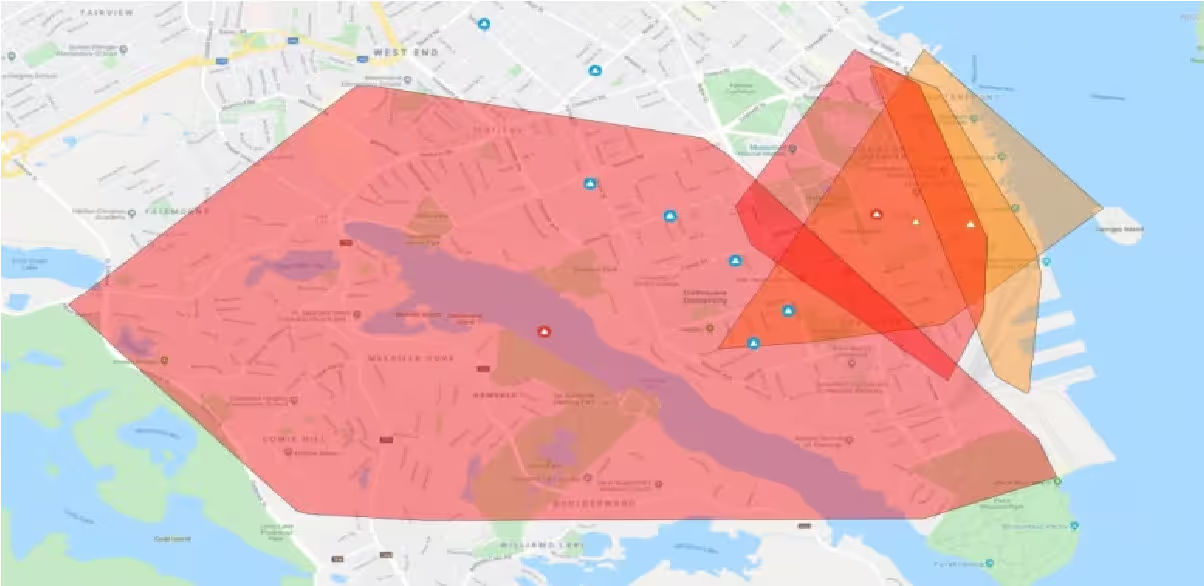
A large-scale power outage that disrupted daily life for thousands of residents across the Halifax peninsula on Monday morning was resolved within a few hours, restoring electricity well ahead of initial estimates. The incident, which affected more than 7,700 customers, was attributed to “wildlife interference,” highlighting once again the vulnerability of urban power infrastructure to unexpected environmental factors.
The outage began shortly before 8:00 a.m., a time when many residents were starting their day, commuting to work, or preparing for school. According to outage data provided by Nova Scotia Power, approximately 7,763 customers lost electricity across the Halifax peninsula. The sudden disruption caused inconvenience to households, businesses, and institutions, underscoring the critical role of uninterrupted power supply in modern urban settings.
Sudden Disruption During Peak Morning Hours
The timing of the outage amplified its impact. Early morning hours are typically among the busiest periods of the day, particularly in a city like Halifax, where residential, commercial, and institutional activities converge. Many residents reported losing power just as they were beginning their morning routines.
Traffic signals in affected areas were disrupted, creating minor congestion in some parts of the city. Offices and retail establishments faced temporary operational challenges, while households experienced interruptions in essential services such as lighting, heating, and internet connectivity.
In today’s digitally connected environment, even short-duration outages can significantly affect productivity and communication. Remote workers, in particular, faced disruptions to online meetings and digital workflows, while students relying on electronic devices for education encountered delays in their schedules.
Cause Identified as Wildlife Interference
The official outage map from Nova Scotia Power identified the cause of the disruption as “wildlife interference.” While this term may seem broad, it typically refers to incidents where animals come into contact with electrical infrastructure, such as transformers, substations, or power lines, leading to short circuits or system shutdowns.
Wildlife-related outages are not uncommon in Canada, where urban areas often coexist closely with natural habitats. Birds, squirrels, and other small animals can inadvertently trigger electrical faults when they interact with exposed or sensitive components of the power grid.
Although the specific animal involved in this incident was not immediately confirmed, similar outages in the past have frequently been linked to birds making contact with energized equipment. Such incidents, while accidental, can have widespread consequences, especially when they occur at critical points in the distribution network.
Initial Restoration Estimate and Rapid Recovery
At the time of the outage, Nova Scotia Power initially estimated that electricity would be restored by 2:00 p.m. This projection suggested a prolonged disruption lasting several hours. However, restoration efforts progressed much faster than anticipated.
Power was successfully restored to affected customers before 9:30 a.m., significantly reducing the duration of the outage. This rapid response reflects the efficiency of the utility’s outage management systems and the readiness of field crews to address emergencies promptly.
The ability to restore power well ahead of schedule not only minimized inconvenience for residents but also demonstrated the effectiveness of contingency planning and real-time monitoring systems used by the utility provider.
Utility Response and Operational Efficiency
The swift restoration of electricity highlights the operational capabilities of Nova Scotia Power. Modern utilities rely on a combination of automated systems, real-time data analytics, and on-ground technical teams to detect, isolate, and resolve faults in the network.
When an outage occurs, control centers quickly identify the affected area using digital monitoring tools. Field crews are then dispatched to locate the exact source of the problem, assess damage, and implement corrective measures. In cases of wildlife interference, this may involve clearing debris, repairing damaged equipment, and ensuring that the system is safe to re-energize.
The quick turnaround in this incident suggests that the fault was localized and manageable, allowing crews to restore service without the need for extensive repairs or infrastructure replacement.
Impact on Residents and Businesses
Although the outage was relatively short-lived, its effects were widely felt across the Halifax peninsula. Residents experienced temporary disruptions to their daily routines, while businesses faced brief interruptions in operations.
For small businesses, even a short power outage can result in lost revenue, particularly for those that rely on electronic payment systems or refrigeration. Restaurants, cafes, and retail outlets were among those affected, though the early restoration helped mitigate longer-term impacts.
Healthcare facilities and critical services are typically equipped with backup power systems, ensuring continuity during outages. However, the incident serves as a reminder of the importance of resilience planning for both individuals and organizations.
Broader Context: Wildlife and Power Infrastructure
Wildlife interference remains a persistent challenge for power utilities worldwide. As cities expand into natural habitats, interactions between animals and electrical infrastructure become more frequent. Utilities often implement preventive measures such as insulation, protective coverings, and wildlife deterrents to reduce the risk of such incidents.
In Canada, where biodiversity is rich and urban areas often border natural landscapes, these challenges are particularly pronounced. Seasonal changes can also influence animal behavior, increasing the likelihood of contact with power systems during certain times of the year.
Efforts to mitigate wildlife-related outages involve not only technological solutions but also environmental considerations. Utilities must balance the need for reliable power supply with the protection of local ecosystems, often working in collaboration with environmental agencies.
Importance of Real-Time Communication
During outages, timely communication plays a crucial role in managing public expectations and reducing uncertainty. Nova Scotia Power’s outage map provided real-time updates on the number of affected customers, the cause of the disruption, and the estimated restoration time.
Such transparency helps residents plan their activities and stay informed about service restoration. In recent years, utilities have increasingly leveraged mobile apps, social media platforms, and automated notifications to keep customers updated during service disruptions.
The availability of accurate and timely information is particularly important in large-scale outages, where uncertainty can lead to frustration and confusion among affected populations.
Lessons and Takeaways
The Halifax outage offers several key insights into the functioning and resilience of modern power systems:
Infrastructure Vulnerability: Even well-maintained systems can be affected by unexpected external factors such as wildlife.
Rapid Response Capability: Efficient outage management systems can significantly reduce downtime and minimize impact.
Importance of Backup Systems: Households and businesses may benefit from contingency measures such as backup power solutions.
Role of Communication: Clear and timely updates help manage public expectations during disruptions.
Conclusion
The restoration of power to thousands of customers on the Halifax peninsula within a short timeframe underscores the effectiveness of Nova Scotia Power’s response mechanisms. While the outage caused temporary inconvenience, the swift resolution ensured minimal long-term impact on residents and businesses.
The incident also highlights the ongoing challenges faced by power utilities in maintaining reliable service amid environmental and operational uncertainties. As urban infrastructure continues to evolve, addressing such challenges will remain a priority for ensuring uninterrupted electricity supply.
Ultimately, the Halifax outage serves as a reminder of both the fragility and resilience of modern power systems—capable of disruption by small, unexpected factors, yet equally capable of rapid recovery through coordinated efforts and advanced technology.
Related Posts