Row in Andhra as PPP model for medical colleges sparks controversy
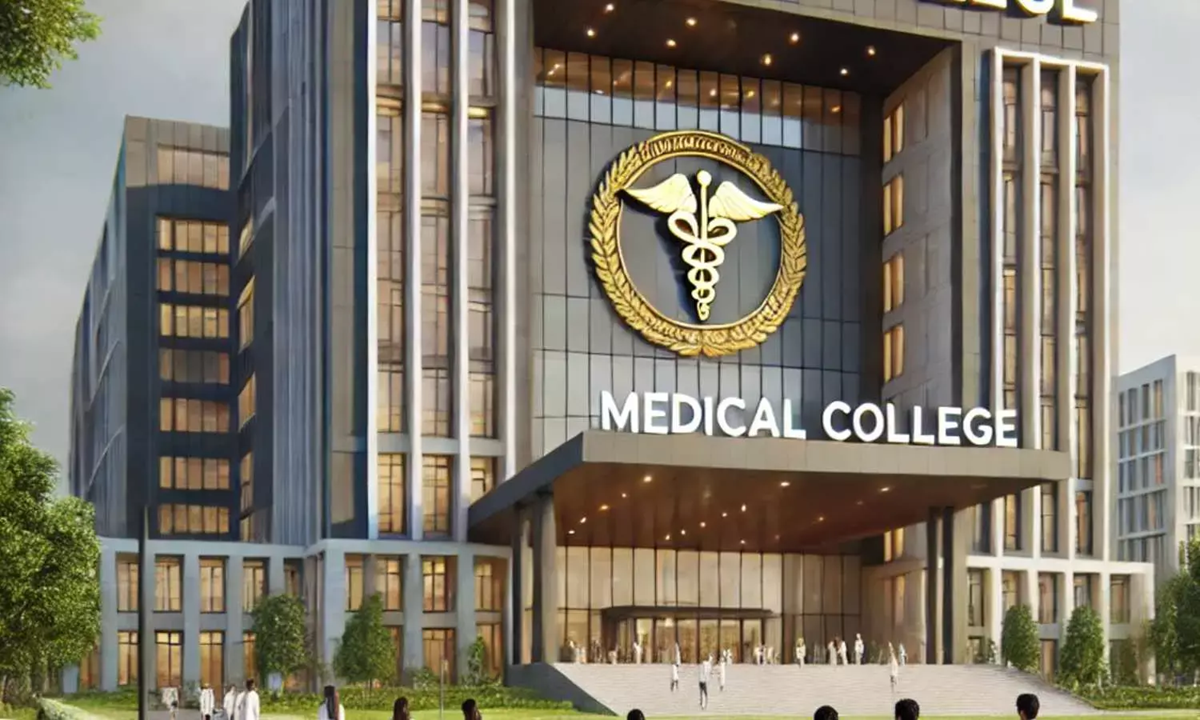
A major political tussle has erupted in Andhra Pradesh over the NDA government’s decision to establish 10 new medical colleges under the public-private partnership (PPP) model. The opposition YSR Congress Party (YSRCP) has accused the government of pushing “wholesale privatisation” of medical education.
Chief Minister N. Chandrababu Naidu defended the move, stressing that the colleges would remain under government control. “Only land is being provided. The PPP model ensures efficiency and accountability while sparing the government financial strain,” he said. Naidu argued that funding shortfalls often cripple medical colleges, harming both students and healthcare services, and that PPP was a way to prevent this.
Opposition Hits Back
Former CM and YSRCP chief Y.S. Jagan Mohan Reddy called the decision a “grave injustice”, urging its immediate withdrawal. Party leaders alleged that the move would make healthcare and education unaffordable, accusing the TDP-led government of planning to hand over public health infrastructure to private hands.
Ex-Deputy Speaker Kona Raghupathi pointed out that during YSRCP’s tenure, seven colleges were completed, five of which are already functional. “This coalition stopped construction for 15 months and is now trying to privatise,” he said.
Government’s Clarification
Health Minister Y. Satya Kumar Yadav reassured that outpatient services at PPP-run colleges would remain free, and schemes like NTR Vaidya Seva would continue. He added that at least four new colleges would be ready by next year.
Defending the policy, Yadav blamed the YSRCP for failing to deliver on its promise of 17 new colleges, saying only five became operational due to poor fund allocation. Of the ₹8,500 crore budgeted, just ₹1,451 crore was released, he claimed.
Yadav also cited infrastructure gaps, noting that the Paderu college was approved for 150 MBBS seats but admitted only 50 due to unfinished facilities. Under new National Medical Commission rules, admissions require complete infrastructure.
“PPP is not privatisation,” Yadav clarified. “The government keeps full control, admissions are unaffected, and fees remain the same as in other medical colleges. With limited resources, PPP is a practical solution.”
The government has set a target of adding 2,550 MBBS seats by 2025–26 but admits progress depends on resolving infrastructure shortcomings.