Australia Thrashed, England Justified as MCG Ashes Test Raises Questions Over Test Cricket
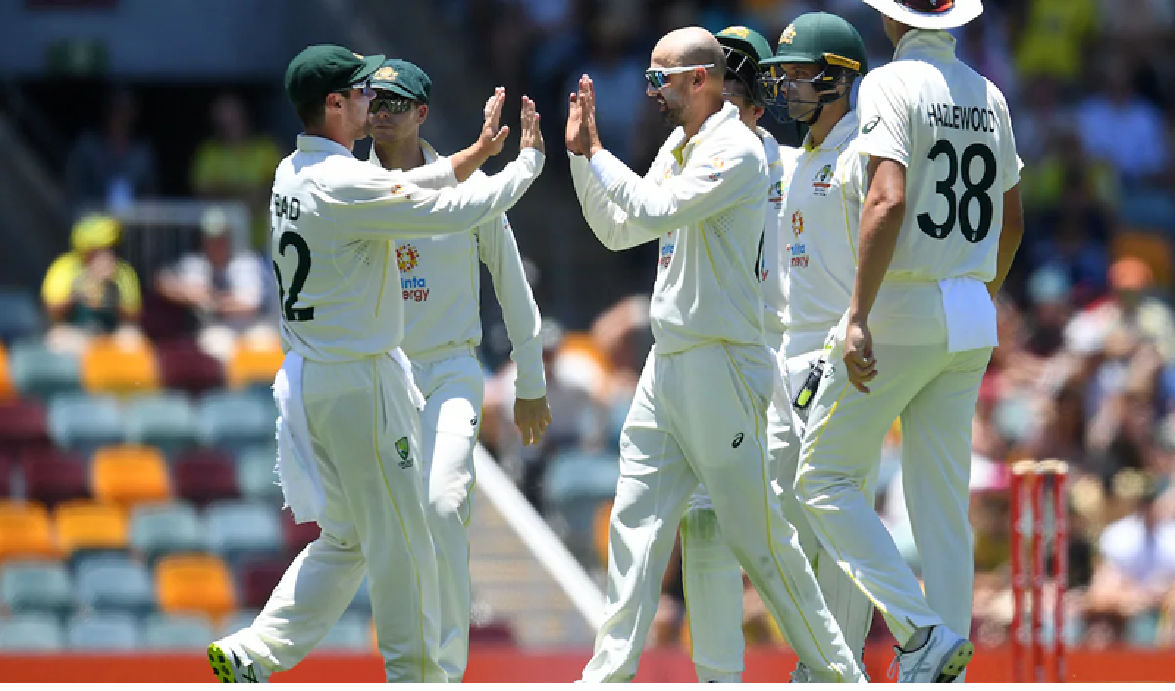
Australia Belted, England Vindicated and Test Cricket Wounded: Inside the MCG Ashes Test Controversy
The Ashes series has always been a symbol of cricketing rivalry at its fiercest, combining tradition, emotion, and high-quality Test cricket. However, the much-discussed MCG Ashes Test turned into a talking point for reasons far removed from skill, strategy, or sporting excellence. Instead of celebrating competitive cricket, the match left fans debating fairness, intent, and the future direction of Test cricket itself. With Australia heavily beaten, England feeling vindicated, and the credibility of Test cricket questioned, the match has been widely described as a farce that damaged the spirit of the longest format.
Context of the MCG Ashes Test
Heading into the Melbourne Test, expectations were sky-high. The Ashes series traditionally produces gripping contests at the Melbourne Cricket Ground, a venue steeped in history and emotion. Both teams were under pressure—Australia to assert dominance at home and England to silence critics after a string of disappointing overseas performances. However, what unfolded over the course of the match failed to meet the expectations of fans and former players alike.
Rather than a closely fought battle, the Test became increasingly one-sided. Australia were comprehensively outplayed, not only in terms of runs and wickets but also in tactical clarity and on-field discipline. England, often criticised for their approach to Test cricket in recent years, emerged feeling justified in their methods and complaints, particularly regarding scheduling, pitch conditions, and umpiring consistency.
Australia’s Heavy Defeat
Australia’s performance at the MCG was widely described as one of their most disappointing Ashes displays in recent memory. Batting collapses at crucial stages, inconsistent bowling plans, and a lack of intensity in the field contributed to their downfall. Despite playing at home and enjoying crowd support, the Australian side struggled to impose themselves on the match.
The batting unit, traditionally Australia’s strength at home, failed to build partnerships. Early wickets exposed the middle order, and defensive strokes under pressure highlighted a lack of confidence. England’s bowlers capitalised on this weakness, maintaining disciplined lines and lengths while exploiting Australian indecision.
Australia’s bowling effort, meanwhile, lacked penetration. Conditions that should have favoured pace and bounce were not utilised effectively, and England’s batters appeared far more comfortable. By the time the match reached its latter stages, the result felt inevitable, with Australia merely delaying defeat rather than challenging it.
England’s Vindication
For England, the MCG Test served as a moment of validation. Leading into the match, English players and officials had voiced concerns over tight schedules, fatigue, and what they perceived as uneven conditions throughout the series. These complaints were often dismissed as excuses. However, England’s commanding performance at the MCG shifted the narrative.
Their preparation, adaptability, and tactical discipline stood in sharp contrast to Australia’s approach. England’s batters showed patience and intent, while their bowlers executed plans with clarity. Importantly, England appeared mentally stronger, responding calmly to pressure moments and capitalising on Australian errors.
From England’s perspective, the match reinforced their belief that when given fair conditions and sufficient recovery time, they could compete—and win—against Australia in their own backyard. This sense of vindication extended beyond the scoreboard and into broader debates about how Test cricket is managed at the highest level.
A Match Marred by Controversy
What truly turned the MCG Ashes Test into a farce, however, was not just the lopsided result but the controversies that overshadowed the cricket. Questions were raised about pitch preparation, umpiring decisions, and the overall balance between bat and ball. Critics argued that the conditions failed to produce a contest worthy of Test cricket’s traditions.
Several decisions during the match sparked debate among fans and experts. Marginal calls, inconsistent interpretations of rules, and interruptions disrupted the flow of play. Instead of focusing on technique or strategy, discussions revolved around officiating standards and administrative oversight.
Such controversies are not new to cricket, but their frequency and impact during this Test amplified concerns about the sport’s governance. When outcomes appear influenced by factors beyond player performance, the integrity of the game comes under scrutiny.
Impact on Test Cricket’s Image
The fallout from the MCG Test extended beyond Australia and England. Many observers expressed concern that matches like this risk alienating fans, especially younger audiences. Test cricket already faces challenges in an era dominated by shorter formats, and poorly contested or controversy-laden matches only add to its struggles.
Former players and commentators warned that Test cricket cannot afford spectacles that feel uncompetitive or disjointed. The strength of the format lies in its balance, narrative, and ability to test players over time. When that balance is lost, the format’s appeal diminishes.
The MCG Ashes Test became a symbol of these broader issues. Instead of showcasing the best of Test cricket, it highlighted administrative shortcomings, uneven competition, and a disconnect between tradition and modern realities.
Scheduling and Player Fatigue
One of the key themes emerging from the aftermath was player workload. England’s earlier complaints about tight scheduling gained renewed attention. The demands of modern cricket—across formats and continents—have placed immense strain on players, both physically and mentally.
The MCG Test reignited debate about whether Test cricket schedules are sustainable. Critics argue that fatigue reduces performance quality, increases injury risk, and ultimately leads to matches that fail to live up to their billing. Supporters of reform believe that administrators must prioritise player welfare to preserve the quality of the longest format.
Australia’s Moment of Reflection
For Australia, the defeat prompted serious introspection. Questions were raised about selection decisions, leadership, and adaptability. Playing at home brings expectations of dominance, and failing so comprehensively at a venue like the MCG carries symbolic weight.
Analysts pointed to a possible complacency within the team, suggesting that Australia underestimated England’s resilience. Others highlighted the need for tactical evolution, particularly in batting approach and bowling rotation. The loss served as a reminder that past success does not guarantee future results.
England’s Confidence Boost
Conversely, England emerged from the Test with renewed confidence. Winning decisively at the MCG not only boosted morale but also strengthened belief in their long-term strategy. It demonstrated that discipline, patience, and preparation can still triumph in Test cricket, even amid external challenges.
This confidence could shape England’s approach in future series, encouraging them to push for conditions and schedules that support competitive cricket. The MCG victory became more than a single result; it became a statement.
Lessons for Cricket Administrators
Perhaps the most important outcome of the MCG Ashes Test lies in the lessons it offers to cricket administrators. Ensuring fair conditions, consistent officiating, and balanced schedules is crucial to maintaining the sport’s credibility. When these elements falter, even the most storied rivalries can lose their shine.
Administrators face the challenge of preserving tradition while adapting to modern demands. The controversy surrounding the MCG Test highlighted the consequences of failing to strike this balance.
Conclusion
The MCG Ashes Test will be remembered not for thrilling cricket but for what it revealed about the current state of the game. Australia were soundly beaten, exposing weaknesses that demand attention. England felt vindicated, their performance reinforcing long-held concerns and beliefs. Most importantly, Test cricket itself appeared wounded, caught between tradition and modern pressures.
While the Ashes rivalry remains one of sport’s greatest spectacles, this match served as a warning. To protect the future of Test cricket, stakeholders must learn from such episodes and commit to restoring balance, fairness, and quality. Only then can the format continue to command the respect and passion it has inspired for generations.
Related Posts