South Gujarat Education Authorities Instruct Schools to Make Up Lost Days During Public Holidays
South Gujarat Schools to Work on Public Holidays After Heavy Rainfall: Full Explanation, Reasons, and Impact
Introduction
The South Gujarat School Holiday decision has become one of the most discussed education updates after continuous heavy rainfall disrupted normal life across several districts. Following two days of emergency school closures due to flooding, the District Education Officers (DEOs) of six South Gujarat districts have instructed schools to compensate for the lost teaching days by conducting classes on upcoming public holidays.
The move aims to ensure that students complete the mandatory 120 working days required during the first academic semester. While the decision has received support from education authorities, it has also sparked discussions among parents, teachers, and students regarding safety, workload, and the scheduling of public holidays.
This article explains the entire development, why the decision was taken, which districts are affected, how schools will implement the order, and what it means for students.
Why Were Schools Closed?
The immediate reason behind the closure of schools was extremely heavy rainfall across South Gujarat.
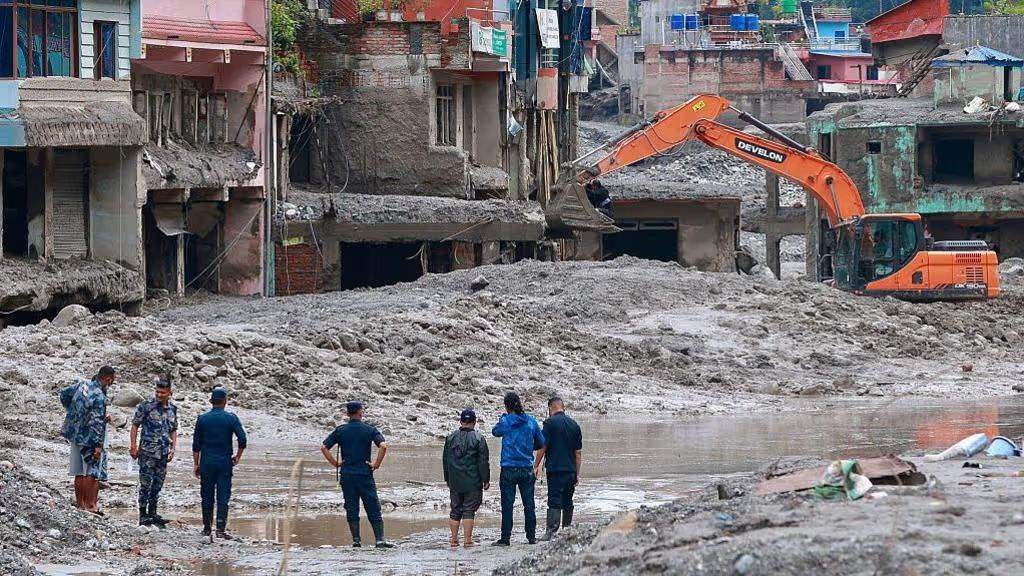
The region witnessed continuous heavy downpours on Thursday and Friday, causing severe flooding in several urban and rural areas. Waterlogging affected roads, transportation, and daily life, making travel unsafe for students and teachers.
Because of the worsening weather conditions, district administrations declared an emergency holiday for schools as a precautionary measure.
The closures were intended to:
Protect students from flood-related risks
Prevent accidents during transportation
Avoid disruption caused by blocked roads
Ensure the safety of teachers and school staff
Even Ahmedabad, which experienced significant rainfall and flooding, witnessed the closure of schools and colleges during the same period.
Which Districts Were Affected?
The order applies to six districts in South Gujarat:
Surat
Tapi
Bharuch
Navsari
Valsad
Dang
The District Education Officers of these districts announced school holidays after receiving directions from their respective District Collectors.
The decision was taken considering the local weather conditions and the potential danger posed by flooded roads and overflowing rivers.
Why Did Authorities Decide to Conduct Classes on Public Holidays?
The biggest reason behind this decision is the mandatory academic calendar.
According to education department guidelines, schools are required to complete 120 working days during the first semester.
Since schools remained closed for two instructional days due to heavy rainfall, authorities felt the lost classroom time should be recovered.
Instead of extending the semester or reducing teaching hours, officials decided to make up the lost classes by keeping schools open on two future public holidays.
This approach allows schools to:
Complete the prescribed syllabus
Maintain academic quality
Meet government regulations
Avoid rushing lessons before examinations
Understanding the 120 Mandatory Working Days Rule
One of the most important reasons behind the order is the government's academic requirement.
Every school must complete a minimum number of instructional days to ensure students receive adequate classroom teaching.
The 120 working-day requirement helps maintain:
Regular classroom learning
Uniform academic standards
Completion of the syllabus
Preparation for examinations
Missing several teaching days can significantly affect learning outcomes, particularly for younger students.
Education officials believe recovering the lost days now will prevent academic pressure later in the semester.
What Exactly Does the New Notification Say?
According to the notification issued by the District Education Officers:
Schools will remain open on two upcoming public holidays.
Students will attend regular classes on those days.
Teachers will continue normal teaching activities.
Schools can decide which two public holidays they will utilize.
Parents and students must be informed well in advance.
This flexibility allows each school to select holidays that best suit its local schedule.
Statement by Surat District Education Officer
Surat District Education Officer Bhagirathsinh Parmar explained the purpose of the decision.
According to him:
Students lost valuable learning time because of heavy rainfall.
Authorities do not want students to suffer academically.
Schools are free to choose two suitable public holidays.
Parents must receive advance information.
He also clarified that the missed public holidays would eventually be adjusted using local holidays after the monsoon season, excluding major festival holidays.
This means schools are trying to balance both academic requirements and holiday schedules.
Why Was Safety Given Priority?
The holiday declaration itself demonstrates that student safety remained the government's highest priority.
Heavy rainfall created multiple dangers:
Flooded roads
Traffic disruptions
Poor visibility
Waterlogging
Risk of vehicles getting stranded
Authorities believed continuing classes during such weather would have endangered thousands of students.
Therefore, emergency closures were considered necessary despite the resulting academic loss.
Parents Faced Communication Problems
One issue that emerged during the emergency was late communication.
Several students reached their schools on Thursday morning because they had not received timely information regarding the holiday declaration.
This created confusion across many schools.
In several cases:
Students returned home on their own.
Parents rushed to schools to pick up children.
School buses had already started operating.
Teachers had to manage unexpected situations.
Many parents later urged schools to provide earlier notifications whenever emergency holidays are announced.
Ahmedabad Incident Increased Concerns
The heavy rainfall also caused a serious incident in Ahmedabad.
A school bus carrying children became stranded in floodwaters, requiring rescue operations.
Although no major injuries were reported, the incident highlighted the dangers of transporting students during severe weather.
This event strengthened public support for precautionary school closures during extreme rainfall.
How Will Schools Recover the Lost Syllabus?
Schools are expected to continue teaching normally during the selected public holidays.
Activities may include:
Regular classroom teaching
Revision sessions
Pending syllabus completion
Practical work
Assessment preparation
Teachers may also use these extra days to strengthen concepts that could not be covered because of weather-related disruptions.
Impact on Students
The decision will have both positive and negative effects.
Positive Effects
Completion of the Syllabus
Students are less likely to experience rushed teaching before examinations.
Better Exam Preparation
Extra instructional days allow teachers to finish lessons properly.
Academic Continuity
Schools can maintain the planned learning schedule.
Compliance with Education Rules
Schools will continue meeting the mandatory working-day requirement.
Possible Challenges
Loss of Holiday Time
Students will sacrifice two public holidays.
Teacher Workload
Teachers will have fewer breaks during the semester.
Travel Concerns
Students living in distant villages may still face transportation challenges if weather conditions remain poor.
Family Plans
Public holidays often coincide with family events or travel, which may now need to be adjusted.
What Does This Mean for Parents?
Parents should prepare for possible schedule changes.
Schools are expected to:
Issue advance notices
Update calendars
Inform through WhatsApp groups or SMS
Communicate revised holiday schedules
Parents should monitor school announcements carefully to avoid confusion.
First Semester Examination Schedule
According to education department sources:
First-term examinations are scheduled from October 19 to October 28.
Diwali vacation will continue until November 18.
Because examinations are approaching within a few months, authorities do not want teaching delays to affect students' preparation.
Recovering the lost days now reduces pressure later.
Why Didn't Authorities Simply Extend the Semester?
Extending the semester would have created several problems:
Delayed examinations
Changes to the academic calendar
Impact on board examination schedules
Overlap with Diwali holidays
Administrative complications
Using public holidays is considered a simpler and more practical solution.
How Schools May Implement the Order
Individual schools have flexibility regarding implementation.
Possible methods include:
Selecting two suitable public holidays
Conducting a full school day
Running regular class schedules
Completing pending chapters
Holding revision classes
Schools will announce the selected dates separately.
Importance of Emergency Communication
One of the biggest lessons from this incident is the need for better communication.
Experts recommend schools should:
Send SMS alerts
Use official mobile applications
Notify parents through WhatsApp
Update school websites
Coordinate with local media
Quick communication can prevent unnecessary travel during emergencies.
Could Similar Decisions Be Taken Again?
Yes.
If future weather events cause prolonged school closures, education departments in other districts or states may adopt similar measures.
Many education boards prefer recovering lost instructional time instead of reducing classroom teaching.
However, each decision depends on:
Weather conditions
Academic calendar
Government guidelines
Local administration's assessment
Public Reaction
The decision has generated mixed responses.
Many parents support recovering academic time but want better advance communication.
Teachers generally understand the need to complete the syllabus, although some have concerns about losing holidays.
Students have expressed mixed feelings, with some preferring regular classes over rushed teaching before exams, while others are disappointed about losing holiday breaks.
Key Takeaways
Heavy rainfall forced emergency school closures across six South Gujarat districts.
Schools missed two important teaching days.
Authorities must complete the mandatory 120 working days during the first semester.
Schools will remain open on two future public holidays to recover lost classes.
Each school can choose which public holidays to utilize.
Parents will receive advance notification from schools.
The first-term examinations are scheduled from October 19 to October 28.
The decision aims to protect both student safety and academic progress.
Communication during emergency holiday announcements remains an area that requires improvement.
Conclusion
The decision to keep South Gujarat schools open on public holidays reflects the education department's attempt to balance student safety with academic responsibilities. While the heavy rains made emergency closures unavoidable, authorities are determined to ensure that students do not fall behind in their studies or miss the required instructional days.
Although the loss of public holidays may disappoint some students, completing the syllabus before examinations is expected to benefit overall learning outcomes. Going forward, better communication between schools, parents, and local authorities will be essential whenever weather-related emergencies disrupt the academic calendar. The incident also highlights the increasing need for schools to have effective emergency response plans as extreme weather events become more frequent.
Tags:
Related Posts